Why the Rice Purity Test Went Viral
A single shareable score turned a campus checklist into an internet habit. This guide explains the group chats, short videos, and nostalgia behind the spread.
The Rice Purity Test went viral because it gives people one simple thing to share: a single number that anyone can understand in a second, send in one tap, and compare with friends at a glance. That plain design, carried by group chats, short videos, and a steady pull of nostalgia, turned a campus checklist into an internet habit that returns every year.
Nothing about the test is new, and that is part of the point. It asks 100 plain questions about everyday life, study, romance, and small risks, then hands back a score from 0 to 100. If you have never taken it, you can try the Rice Purity Test in a few minutes and see the format that travelled so far.
One number that fits in a screenshot
A single score does most of the work. Most online quizzes return a paragraph, a personality type, or a long result page that nobody reads twice. This test returns one number, and that number invites an instant reaction. A friend sees 87 or 42 and already has a feeling about it before you explain anything.
The number also carries a built in comparison. A higher score reads as more sheltered, a lower score reads as more experienced, and both readings feel playful rather than serious. People can tease each other about a gap of ten points without either side feeling judged, because the test never claims to measure character.
Screenshots made that number portable. A result screen fits neatly into a story, a post, or a message thread, and it needs no caption to make sense. Viewers who have never heard of the test still grasp the idea, because a score out of 100 is a format everyone learned at school.
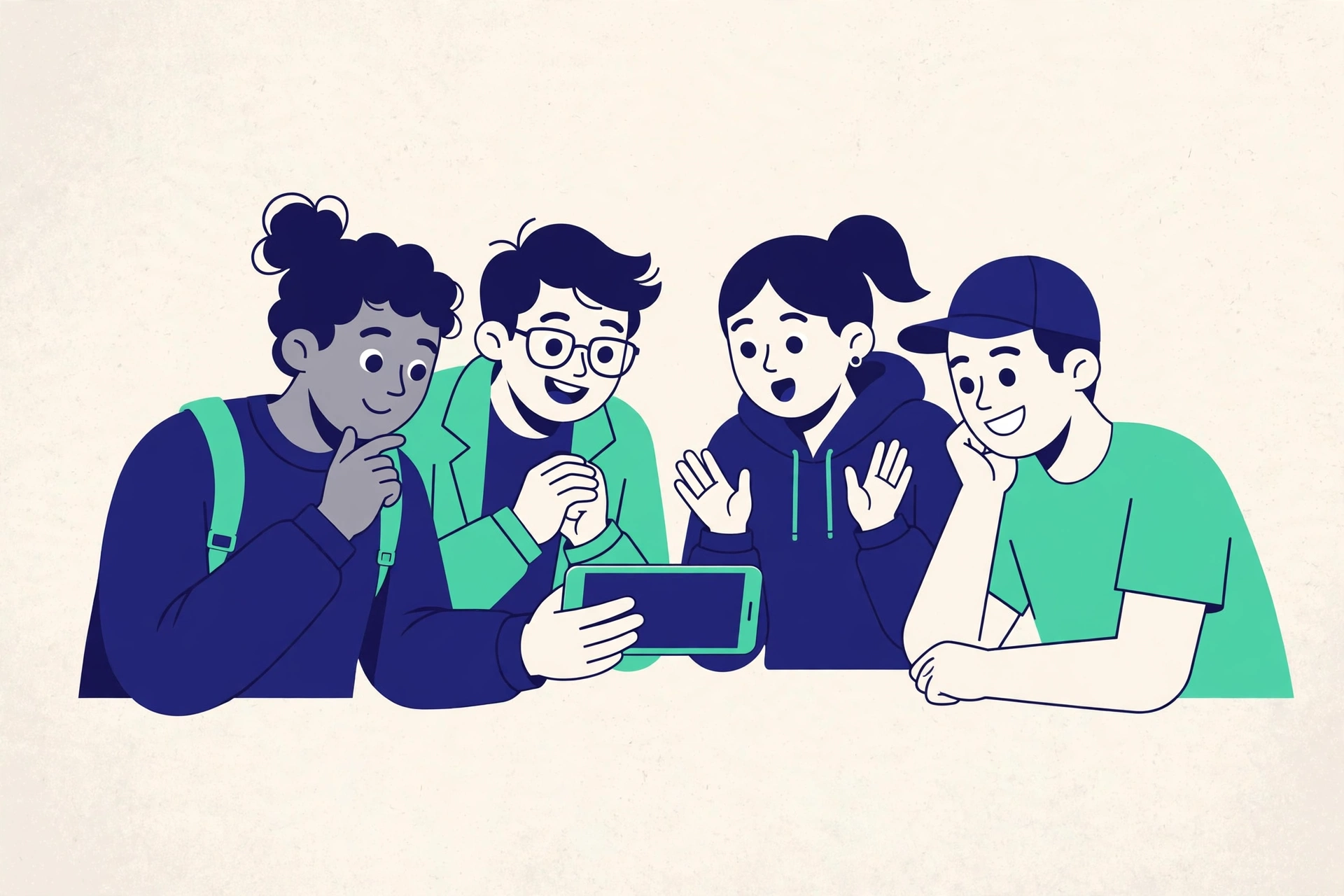
Why rice purity test went viral in group chats first
Before the test spread across public feeds, it spread inside private ones. Group chats and dorm rooms gave it the perfect first home. One person took the test, dropped the score into the chat, and everyone else followed within the hour, because nobody wants to be the only one without a number.
Dorm challenges added a small game on top. Roommates compared results, guessed each others answers, and set friendly dares around retaking the test at the end of the year. The checklist gave a whole floor of new students a shared topic in the first weeks of term, which is exactly the job it was built for on campus long ago.
Private sharing also lowered the risk. People post a score to close friends more freely than they would post it in public, and close friends respond with stories rather than judgement. Many viral posts started as screenshots that escaped a small chat and found a much larger audience later.
Short videos turned scores into stories
Short video platforms gave the test a second life. A score alone is a picture, but a creator reacting to each question on camera is a small story. Viewers watch the count fall in real time, wait for the questions that cause the biggest reactions, and stay to hear the final number.
The format suits the platforms well. Each question is a tiny hook, the running total builds suspense, and the ending lands in under a minute. Creators also invite comments by asking viewers to guess the score before the reveal, which pushes the video to more people and sends many of them off to take the test themselves.
Reaction videos also explain the test to people who would never read a long article about it. A new viewer learns the rules by watching, understands the scoring by seeing it drop, and finishes the video already curious about their own result. That curiosity is the engine of every new wave.

Nostalgia and the annual retake
Many people first meet the test as teenagers or new students, then meet it again years later. The retake is where nostalgia does its work. A graduate who scores far lower than she did at eighteen reads the drop as a small record of a life lived, and she shares it because it feels like a milestone rather than a confession.
Annual retakes give the test a calendar. Friends retake it after each school year, after a big trip, or at reunions, and they compare the new number with the old one they saved. Few quizzes earn that kind of repeat use, because few quizzes change as your life changes. This one records the change in a single line.
Nostalgia also crosses generations. Parents and older siblings recognise the checklist from their own campus years, because versions of it circulated on paper long before websites hosted it. When a test survives that long, each new group of students inherits it from the group before, and the chain rarely breaks. You can follow that longer path in our guide to the history of the Rice Purity Test.
A paper checklist format that travels well
The format itself helps the test spread. One hundred short questions in plain words ask for no study, no account, and no special knowledge. Anyone can start at once, finish in minutes, and understand the result without help. Formats that ask little of people travel further than formats that ask a lot.
The checklist also leaves room for honesty. Nobody watches you answer, and the questions cover so many parts of life that almost everyone checks some and skips others. That balance keeps the mood light. A test that felt like an exam or a confession would not get forwarded to a whole dorm.
Simple rules, no learning curve
The rules fit in one sentence: start at 100 and subtract one point for each thing you have done. A person who hears that sentence can take the test, read a score, and explain the whole thing to a friend. Ideas that people can pass on in one sentence spread with very little friction.
Built for every age of the internet
The same checklist worked on paper, in email forwards, on early websites, and now in apps and videos. Each new platform changed how people shared it, but the questions and the scoring stayed familiar. A format that survives every change of platform gains a new audience each time without losing the old one.
Why the waves keep coming back
The test never fully disappears, so each new wave starts from a warm base. A celebrity mentions it, a creator posts a reaction, or a new class of students arrives in autumn, and the cycle begins again. Search interest spikes, friends compare scores, and people who took it years ago return for a retake.
It also helps that the test asks about ordinary life rather than news or trends. Questions about first relationships, late nights, and small rule breaks stay relevant to each new group of eighteen year olds. A quiz tied to one moment fades with that moment. A quiz tied to growing up renews itself every year.
Finally, the test gives people a safe way to talk about their past. A number opens the conversation, and each person chooses how much story to add behind it. That mix of openness and control is rare online, and it explains why a simple campus checklist still travels further than far richer quizzes.
Frequently asked questions
Why did the Rice Purity Test go viral?
It went viral because one clear number is easy to screenshot, easy to compare, and fun to react to. Group chats, dorm challenges, and short videos then carried that number from small circles to a wide audience.
When did the test start spreading online?
Versions circulated on paper first and moved to websites in the early days of the public web. Each new platform, from email forwards to short video apps, gave the checklist a fresh audience and a faster way to share scores.
Do people still take the Rice Purity Test?
Yes. New students discover it each year, and older takers return for retakes after big life changes. Fresh waves appear whenever a creator posts a reaction video or a group of friends starts comparing scores again.
Is the test popular outside the United States?
Yes. Students in many countries take the same list and share scores the same way, because the questions describe common parts of growing up. Some local versions adjust a few items, but the classic 100 question format stays recognisable everywhere.