Is the Rice Purity Test Safe?
Is the Rice Purity Test safe? A look at data safety, emotional safety, peer pressure, age suitability, and how to spot unsafe copycat sites.
Is the Rice Purity Test safe to take? For most people the answer is yes, but "safe" covers a few different things worth separating out: whether your data is handled responsibly, whether the experience itself is emotionally comfortable, and whether the site you are using is legitimate. This article covers all three so you can take the test with a clear picture of what you are agreeing to.
Data safety
On this site, taking the test does not require an account. Scoring happens in your browser, turning your checked boxes into a number without sending your identity along with your answers. There is no answer sheet linked to your identity for anonymous visitors. If you choose to sign in to save your score history, that is an optional step you take deliberately, not something required to see your result.
For a full breakdown of what counts as anonymous in this context, see are Rice Purity Tests anonymous. The general rule for any site is the same: check whether an account is required, look for a visible privacy policy, and notice whether you are pushed to share raw answers rather than just a score. You can review this site's own privacy policy before starting.

Data safety mostly comes down to whether a site requires an account and what it does with your answers.
Emotional safety
The checklist covers a wide range of experiences, and some items can feel uncomfortable to read, let alone check. That reaction is normal. The test is not designed to shock you, but it is thorough, and thoroughness means it touches on sensitive topics.
A few things that help keep the experience emotionally manageable:
Take it privately the first time, rather than with an audience, so you are not answering under social pressure.
Remember that the score is a count of checkboxes, not a judgment. See is the Rice Purity Test accurate for more on why the number should not be read as a verdict on you.
If a specific item brings up something you have not processed, it is fine to stop, or to skip ahead and come back later.
Peer pressure and sharing
The test is often taken in group settings, like a dorm room or a group chat, where people compare scores right after finishing. That social context is part of what makes the test popular, but it also creates pressure. A few patterns worth watching for:
Feeling pushed to answer a certain way because friends are watching your screen.
Feeling obligated to share your exact score, or worse, your itemized answers, because everyone else did.
Reading too much into a friend's low or high score and treating it as gossip material.
None of this is a flaw in the test itself. It is a reminder that how you take it and how you share it are choices you can make independently. Sharing a score is very different from sharing a screenshot of the full checklist, and only one of those is necessary for the fun, comparative part of the experience.
Taking the test in a group is common, but sharing decisions are still up to each individual.
Age suitability
Because the checklist references mature topics, it is generally more appropriate for older teens and adults than for young children. Parents or guardians of younger users should be aware of the subject matter before letting a younger family member take it unsupervised. This site does not gate content by age verification, so the responsibility for suitability sits with the person taking the test or the adult supervising them.
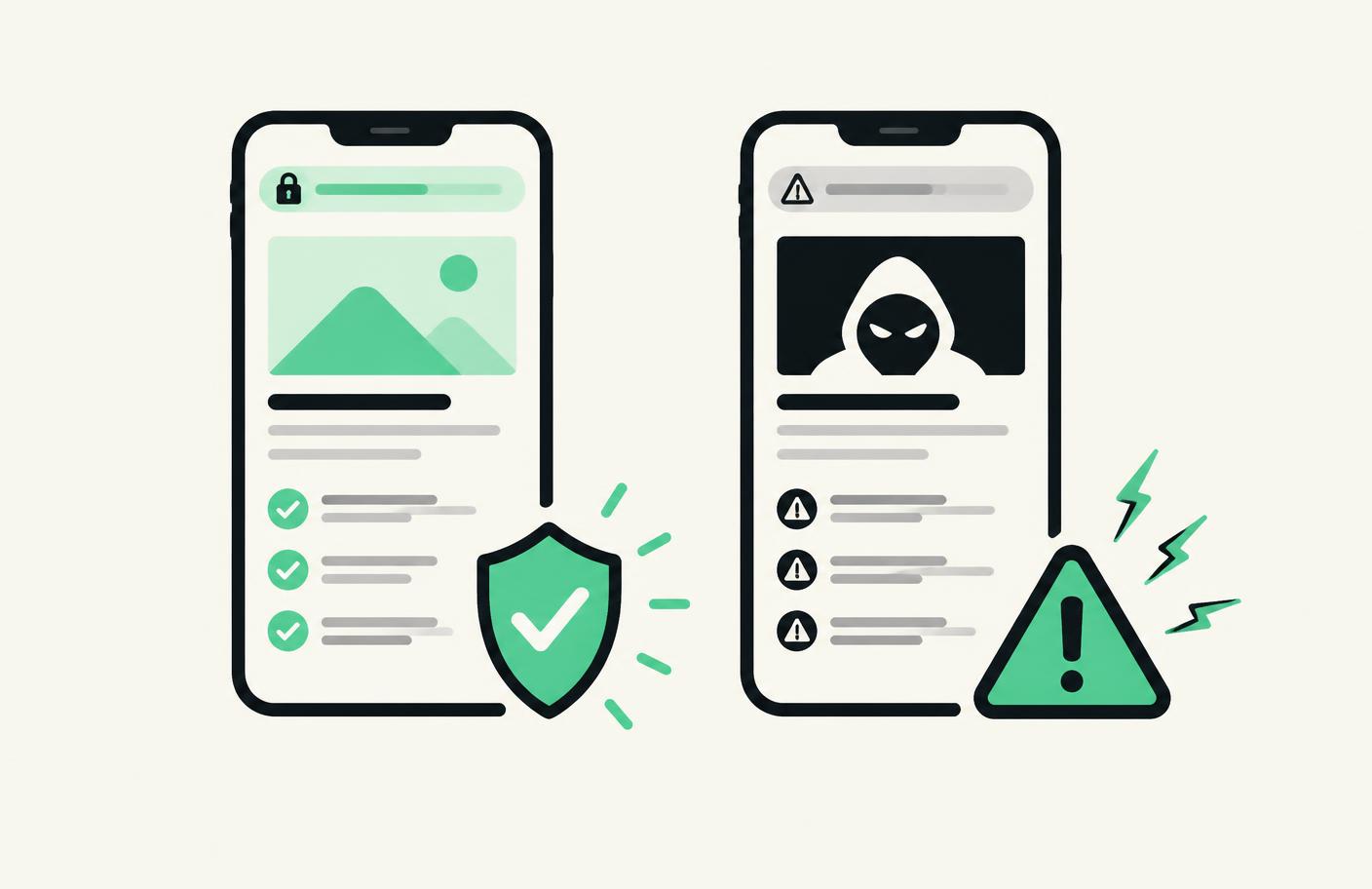
Warning signs of unsafe copycat sites
The Rice Purity Test is not a trademarked or centrally controlled product, and it started as informal student culture at Rice University. Because of that, many copies exist online with varying quality. Watch for these warning signs before answering personal questions on any site:
Warning sign
Why it matters
Requires an account or email before you see your score
Unnecessary for a simple checklist calculation
No privacy policy or terms page
No way to know what happens to your data
Heavy pop up ads or redirects mid test
Suggests the site prioritizes ad revenue over your experience
Encourages posting your full answer sheet publicly
Increases exposure of sensitive personal information
None of these guarantee a site is harmful, but they are reasonable reasons to be more cautious about what you type in.
Safe ways to take and compare results
If you want to compare scores with friends without oversharing, a few habits help:
Take the test individually first, then share only the final number.
Avoid screenshotting the full checklist with your specific answers visible.
Treat someone else's score as private information, not something to repeat to others.
Use the aggregate context on this site, based on the anonymous results recorded here, 83 completed tests with an average of 64.9 and a median of 70, to see where scores generally land without needing to know any individual's answers.
You can check the full checklist and take it yourself on the Rice Purity Test page, and read general background on the Rice Purity Test page if you want more context before starting.
Frequently asked questions
Is it safe to take the Rice Purity Test online?
On sites that do not require an account and calculate scores in the browser, taking the test carries minimal data risk.
Is the Rice Purity Test appropriate for kids?
It is generally more suitable for older teens and adults given the mature subject matter covered in the checklist.
Should I feel pressured to share my exact score?
No. Sharing is entirely optional, and sharing just the number is lower risk than sharing your full answers.
How do I know if a Rice Purity Test site is trustworthy?
Check for a visible privacy policy, avoid sites requiring accounts to see a score, and be cautious of sites pushing you to share raw answers.
Can taking the test bring up uncomfortable feelings?
It can, since the checklist covers a wide range of experiences. Taking it privately and remembering it is just a checkbox count can help.