Are Rice Purity Tests Anonymous?
Is the Rice Purity Test anonymous? Here is what taking it as a guest actually means, what this site stores, and how to check any test site before you answer.
If you are about to take the test, you have probably asked yourself: is the Rice Purity Test anonymous? The short answer is yes, when you take it as a guest on a site built that way. The longer answer depends on how the specific site handles your answers, whether it asks you to log in, and what it does after you see your score. This article walks through what anonymous actually means in practice, what this site stores, and how to check any test site before you answer a single question.
What "anonymous" means for a checklist test
The Rice Purity Test is a 100 item checklist. You go down the list, check the boxes that apply to you, and your score is 100 minus the number of items checked. Every item is worth one point. There is nothing inherently identifying about that process. Anonymity depends entirely on what the website does with your checkbox choices, not on the test itself.
On this site, scoring happens in your browser. The math that turns your checked boxes into a final number runs on your device, not on a server that logs your answers against your name. If you do not create an account, there is no record tying your specific answers to your identity.
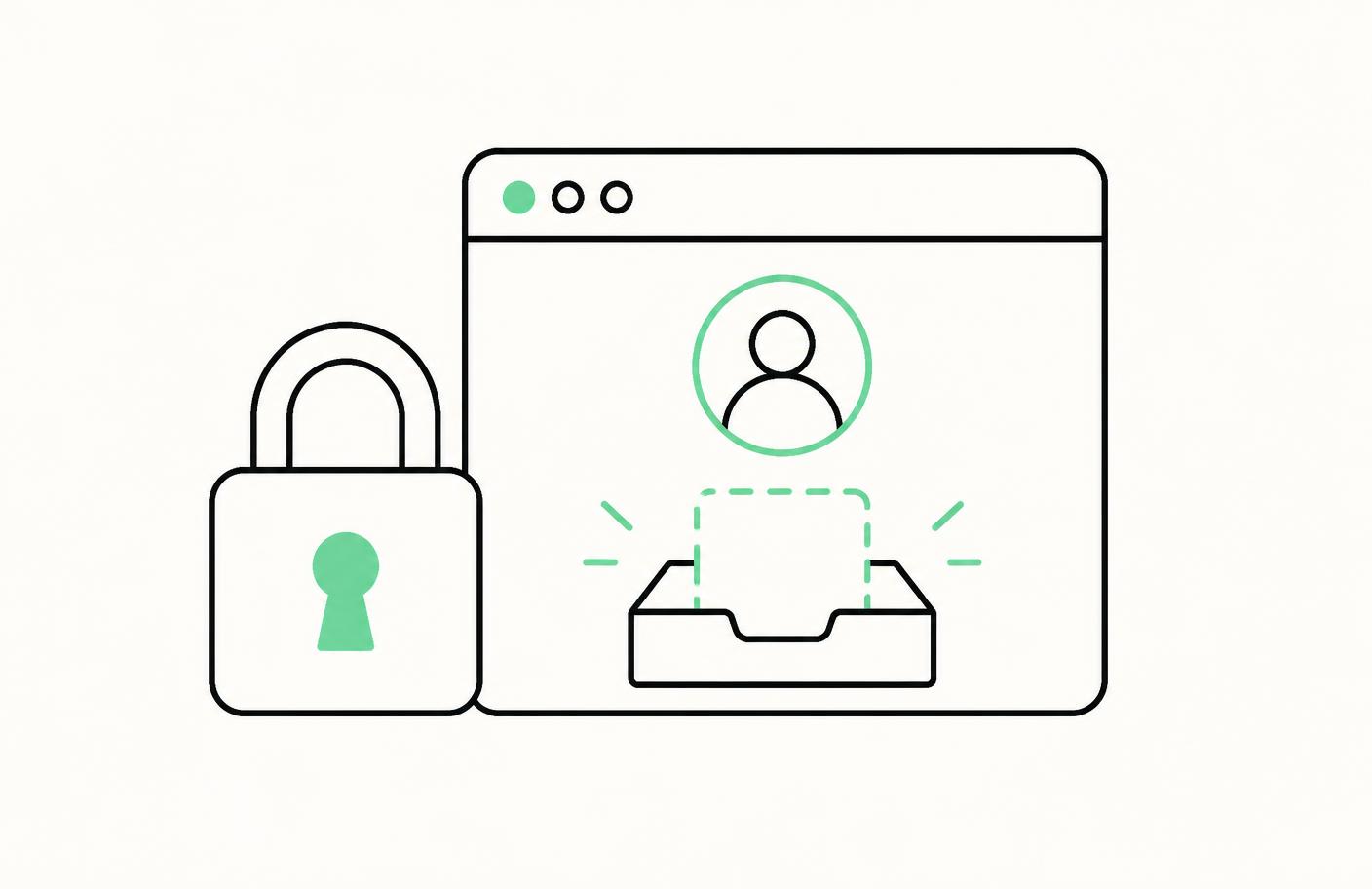
Scoring happens locally in the browser rather than through an identity linked server process.
What this site does and does not store
Here is the practical breakdown for anonymous visitors taking the rice purity test:
No account is required to take the test or see your score.
Your checklist answers are used to calculate your score in the browser.
There is no answer sheet linked to your identity for anonymous visitors.
The anonymous results recorded on this site are aggregated numbers, not individual answer sheets tied to names.
The aggregated numbers are useful context. Across the anonymous results recorded on this site, 83 completed tests show an average score of 64.9 and a median of 70, with scores ranging from a low of 10 to a high of 100. That kind of aggregate data does not reveal who took which test. Read more about what those numbers mean in rice purity score meaning.
The optional account for saving history
Some visitors want to retake the test later and compare their score over time, for example once a semester. That is the one case where signing in matters. If you choose to create an account, your saved scores are then associated with that account so you can look back at your history. This is optional. If you skip it, you take the test as a guest and nothing is saved to a profile.
The distinction is simple: staying anonymous means staying signed out. Choosing to save history means opting into an account, and that tradeoff is yours to make deliberately, not something that happens by default.
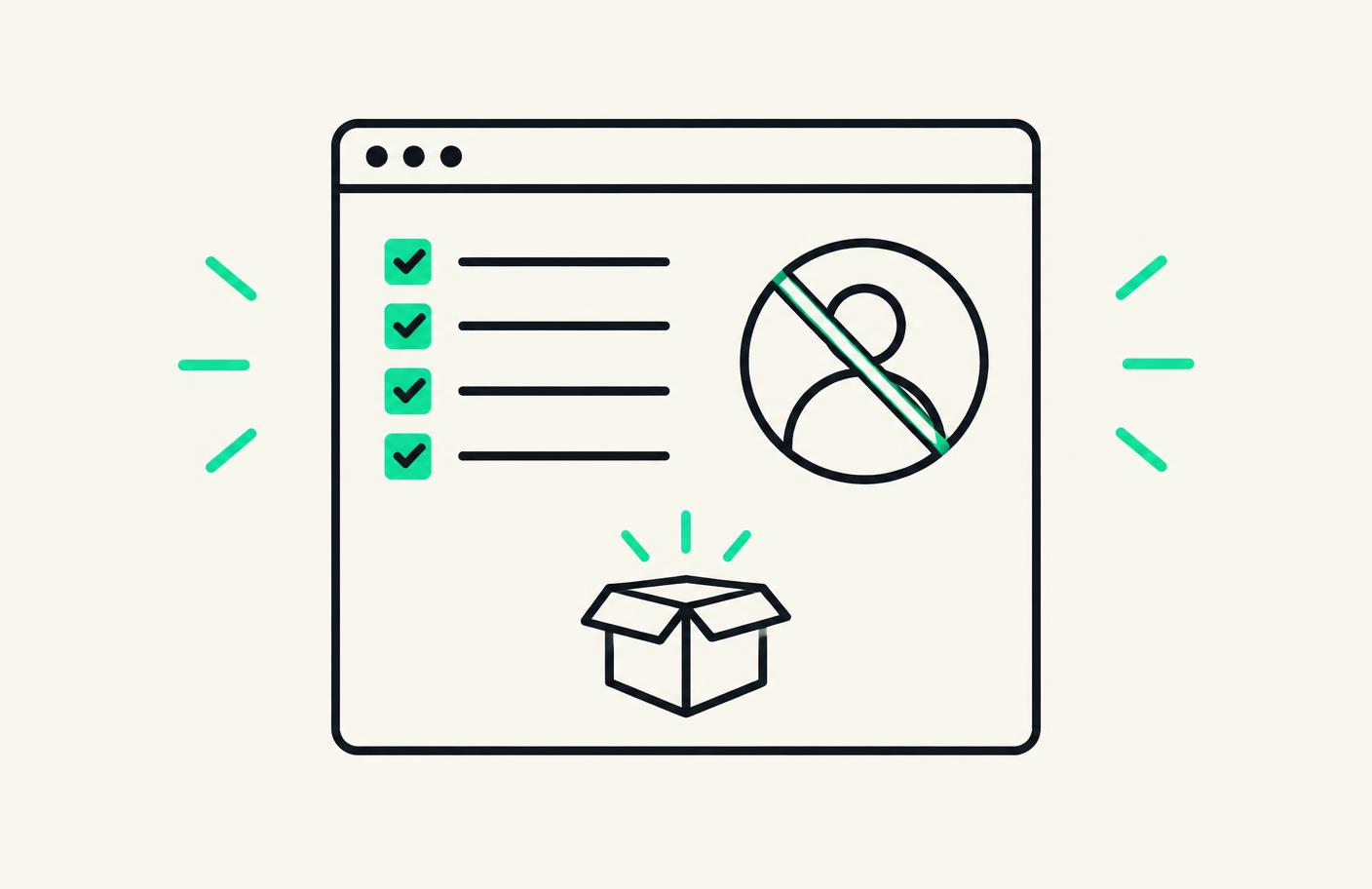
Guest visitors can complete the checklist without creating a profile.
What other test sites may do differently
Not every Rice Purity Test site handles data the same way. Because the test itself is a piece of open student culture rather than a trademarked product, dozens of versions exist online, and they vary in quality and intent. Some things to watch for on other sites:
Sites that require an email address or account before you can see your score at all.
Sites loaded with intrusive ads or scripts that are unrelated to the checklist itself.
Sites that encourage you to screenshot and post your raw answers, not just your score.
Sites with no privacy policy or terms page at all.
None of these automatically mean a site is misusing your data, but they are worth noticing before you commit to answering 100 personal questions.
How to check any test site before you answer
Check Why it matters? Is an account required to start? Guest access means less identity linkageIs there a visible privacy policy? Tells you what is collected and why? Does the score appear instantly? Suggests client side calculation rather than a server round trip. Are you prompted to share raw answers? Sharing your score is different from sharing your checklist
You can review this site's own approach on the privacy policy and terms pages before you start.
Screenshots and sharing risks
The anonymity of the test itself does not protect you once you decide to share your result. A screenshot of your score, or worse, a screenshot of your full checklist with boxes checked, is a document you have created and control. If you post it publicly or send it to a group chat, that information leaves the anonymous environment of the site and becomes tied to your name the moment you attach it to your account or profile.
If you want to share your result for fun, sharing just the number is lower risk than sharing the itemized list. If you would not want a specific answer read aloud in a room you are in, think twice before including it in a screenshot.
A simple rule of thumb
Take the test anonymously, look at your score, and decide separately whether you want to share it. Treating those as two different decisions keeps you in control of what other people actually see.
Frequently asked questions
Do I need to sign up to take the Rice Purity Test?
No. You can take the test as a guest and see your score without creating an account.
Does the site know which answers I checked?
Scoring happens in your browser. For anonymous visitors there is no answer sheet linked to an identity.
What happens if I create an account?
Creating an account is optional and lets you save your score history so you can compare results over time.
Are other Rice Purity Test sites equally anonymous?
Not necessarily. Some require accounts or emails before showing a score, so it is worth checking each site's own policy.
Is sharing my score the same as sharing my answers?
No. Sharing just the number reveals far less than sharing a screenshot of every checked item.