What Does a Rice Purity Score of 100 Mean?
A perfect 100 simply means no items were checked on the 100 point checklist. Here is what that score does and does not tell you.
A rice purity score 100 meaning question comes up whenever someone finishes the checklist without checking a single box. It is the highest possible result, and it raises a fair question: what does it actually say about the person who got it?
What a perfect 100 means arithmetically
The math behind the rice purity test is simple. You start at 100 points, and each of the 100 items you check subtracts one point. A score of 100 means zero items were checked. Nothing more, nothing less. It is a statement about which boxes were left blank, not a judgment passed down by anyone.
Because the scoring runs entirely in your browser, a 100 is just the output of that subtraction. There is no separate grading step or hidden adjustment.
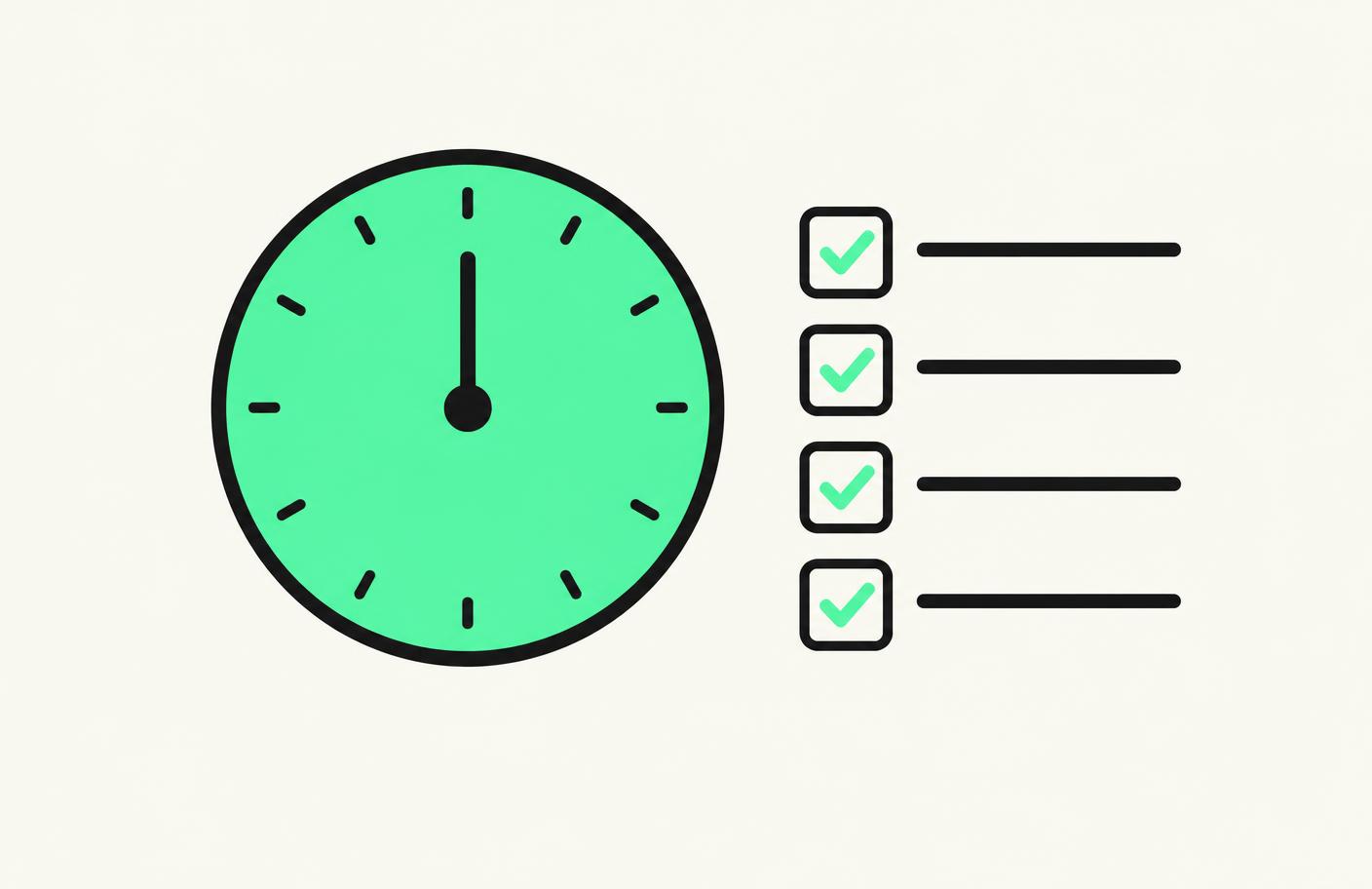
A score of 100 simply means none of the 100 listed items were checked.
Who scores it
People land on 100 for different reasons. Some are younger teenagers taking the test before most of the listed experiences apply to them. Some are adults who genuinely have not done any of the items. Others are testing the checklist itself before answering honestly, or filling it out as a joke without checking anything on purpose.
None of these reasons are visible in the number itself. A 100 looks the same regardless of why it happened, which is worth remembering before drawing conclusions about someone else's result.
Is it common in our recorded data
Looking at the anonymous results recorded on this site, a perfect 100 is not the typical outcome. Out of 83 completed tests, the average score is 64.9 and the median is 70. Scores of 90 to 100 account for 19 of the 83 tests, which is the largest single band, but that band includes everything from 90 up, not just a perfect 100.
The lowest recorded score on this site is 10 and the highest is 100, so a perfect score does happen, but it sits at the far edge of the recorded range rather than near the middle where most results land.
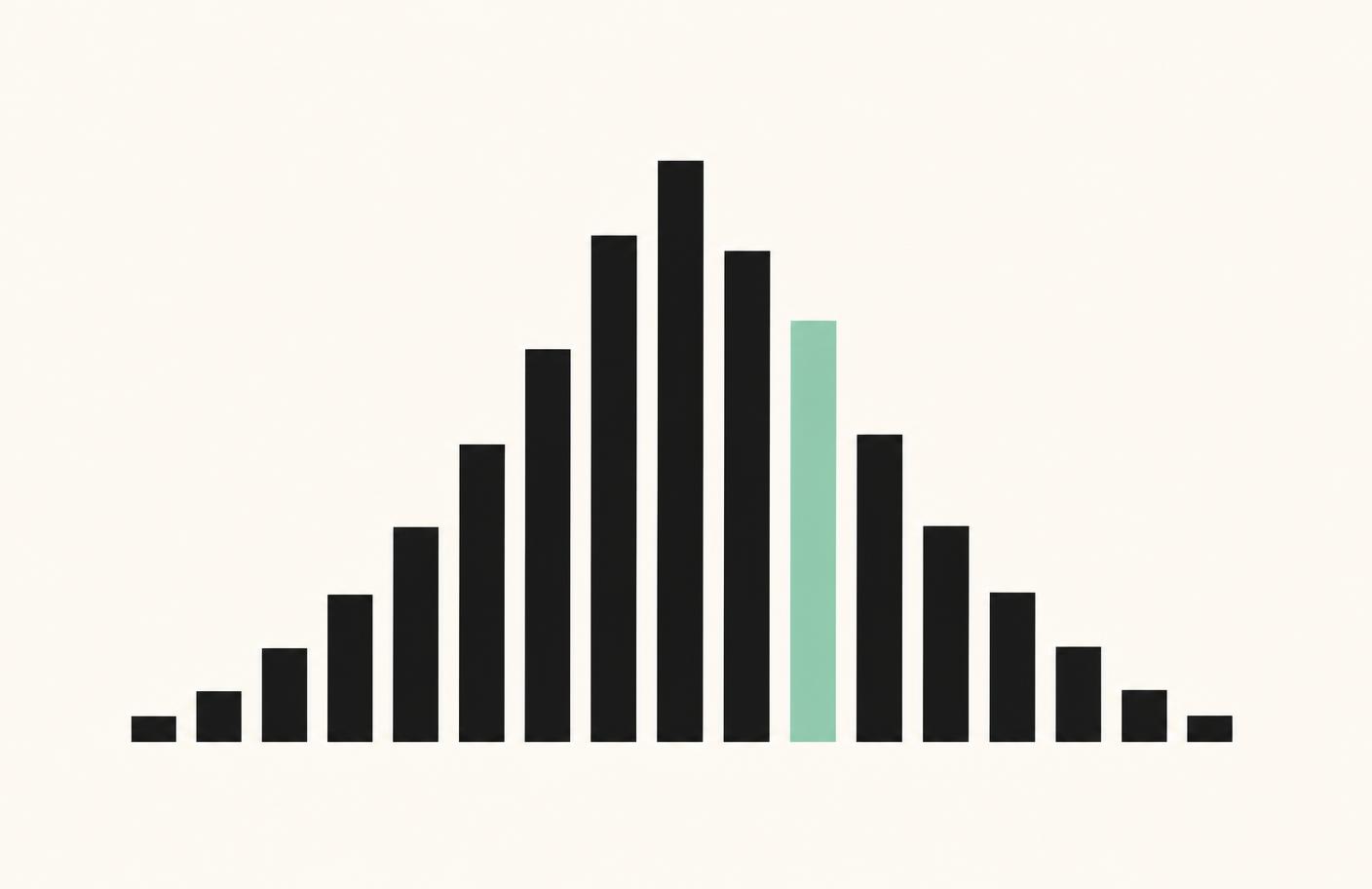
Scores of 90 to 100 make up 19 of the 83 tests recorded on this site.
Honesty and misreading the number
A 100 is easy to misread as proof of something, either impressive restraint or naive inexperience, depending on who is looking at it. Neither reading is reliable without knowing the context behind the answers. The checklist relies on self reporting, so its accuracy depends entirely on the person filling it out.
Rushing through the list without reading each item carefully can also produce an inflated score by accident. Taking the time to read every line is the only way to get a number that reflects your actual answers.
Social pressure around high scores
In group settings, a 100 can draw attention, sometimes teasing, sometimes disbelief. That reaction says more about the group dynamic than about the score. If comparing results starts to feel like a competition or a way to single someone out, it is worth stepping back from that particular way of sharing.
A high score is not an accomplishment to defend
A high score is not evidence someone is being dishonest
Group reactions to a score are a social moment, not a verdict
What to do next
If you scored 100, there is nothing you need to do about it. You can retake the checklist later if your experiences change, since nothing about the test is permanent or tied to your identity unless you sign in to save history.
Frequently asked questions
Does a score of 100 mean I am inexperienced?
It means none of the 100 listed items apply to you, according to how you answered. It does not describe your character or maturity.
Can I get a 100 by accident?
Yes, if you read items quickly or misunderstand a question, you could leave a box unchecked that should have been checked. Reading carefully avoids this.
Is a 100 rare on this site?
Based on the anonymous results recorded here, the top band of 90 to 100 makes up 19 of 83 tests, so a 100 specifically is less common than that combined band suggests.
Does the test save my answers under my name?
No, not unless you sign in to save your history. Otherwise your result is not tied to an identity.
Should I compare my 100 to friends' scores?
You can, but keep it lighthearted. The number does not rank people against each other in any meaningful way.