What Your Rice Purity Score Really Means
A plain guide to what a rice purity score actually measures, band by band, using the anonymous results recorded on this site.
A rice purity score meaning is easy to misread if you only look at the number and skip the context. The Rice Purity Test gives you a score from 0 to 100 based on a 100 item checklist, and that number describes one thing only: how many items on that specific list you have checked off. It does not measure your character, your worth, or how "good" a person you are. This article walks through what each score band tends to represent, what the site's own recorded results show, and how people commonly misread the number.
What the number actually describes
The test works on simple subtraction. You start at 100, and each checked item removes one point. So a lower score means more items checked, and a higher score means fewer items checked. That is the entire mechanism. If you want the exact math behind it, see how the score is calculated.
Because the checklist covers a wide range of experiences, from mundane to extreme, two people with the same score can have checked completely different sets of items. A 65 built from mostly minor items reads very differently in real life than a 65 built from a few heavier ones, even though the number on screen is identical.
The final score reflects a checklist count, not a moral judgment.
Band by band interpretation
Using the anonymous results recorded on this site, scores cluster into recognizable bands. Here is what each one tends to mean in plain terms.
Score bandRecorded testsGeneral reading90 to 10019Very few items checked, often a first attempt or a genuinely sheltered set of experiences.80 to 8910A handful of items checked, still on the low end overall.70 to 7913A moderate number of items, close to the site's median.60 to 6910Slightly below median, an ordinary spread of checked items.40 to 5914A wide range of items checked, common among people further into college years.Below 4017Most of the checklist has been marked, often after repeated retakes over time.

Score bands break the 0 to 100 range into readable groups.
What the recorded distribution shows
Out of 83 completed tests logged on this site, the average score is 64.9 and the median is 70. Scores range from a low of 10 to a high of 100. The gap between the average and the median is worth noticing: it means a smaller group of very low scores is pulling the average down, while most people land closer to 70. That pattern shows up in the chart below.
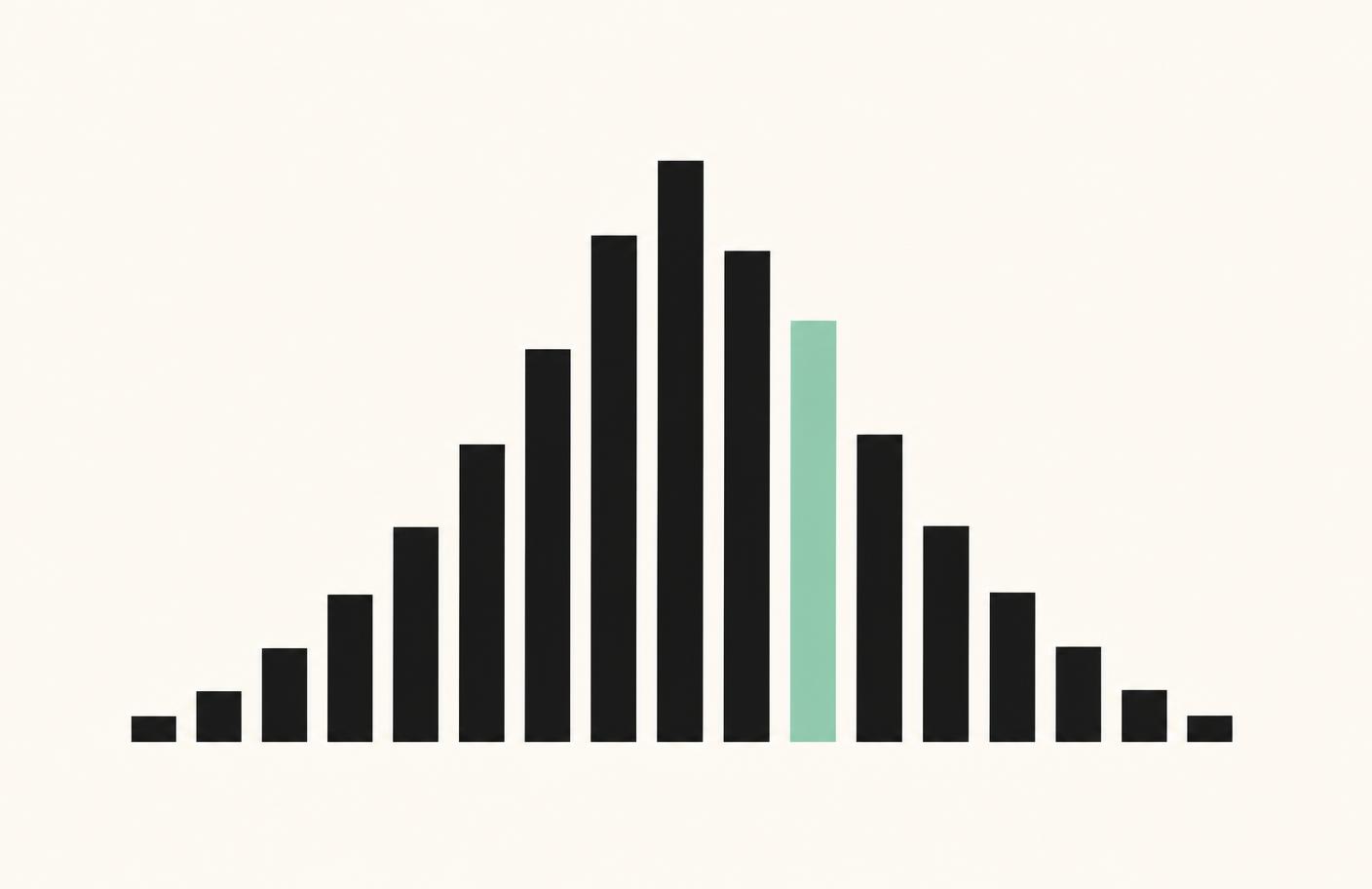
Scores in the recorded sample spread across every band rather than clustering in one place.
Common misreadings
Treating it as a moral scoreboard. The checklist counts experiences, not virtue. Two low scores can come from very different life circumstances.
Assuming everyone answers honestly. Because scoring happens in the visitor's browser and nothing is tied to a name unless you sign in, there is no verification step.
Comparing scores across very different groups. A college senior and a first-year high schooler are not on equal footing, even with the same number.
Expecting the score to predict anything about the future. It is a snapshot of past items checked, nothing more.
How to talk about it with friends
The test began as informal student culture at Rice University in Houston, and it still works best in that spirit: a casual icebreaker, not a ranking system. If you are comparing scores in a group chat or at a gathering, keep a few things in mind.
Let people skip sharing specifics behind their number if they want to.
Remember that a big gap in scores says more about different life stages than about who is "better."
Retaking the test later in life will almost always lower the score, since checked items cannot be unchecked.
For background on where the list came from, read the history of the Rice Purity Test, and if you have not taken it yet, you can start on the test page itself.
Frequently asked questions
Is a higher score always better?
Not inherently. It only means fewer checklist items apply to you. Whether that is "better" depends entirely on personal values and context.
Can two people compare scores fairly?
Only loosely. Age, environment, and opportunity all affect which items someone has encountered, so scores are better used as conversation starters than exact comparisons.
Does the score change if I retake the test?
Your score for a given attempt reflects the items checked at that time. If you have done more since your last attempt, a new attempt will usually score lower.
Is my score stored anywhere?
Scoring happens in your browser. Nothing is tied to your name unless you create an account and choose to save your history. See the privacy policy for details.
What counts as an average score?
Based on the anonymous results recorded on this site, the average is 64.9 and the median is 70, out of 83 completed tests.