What Does a Rice Purity Score of 80 Mean?
A rice purity score of 80 means twenty of the hundred checklist items were answered yes. Here is what that covers and how it compares with recorded scores.
A rice purity score of 80 means you answered yes to twenty of the hundred items on the checklist. The test begins at 100 and removes one point for every experience you confirm, so twenty ticks and eighty blanks produce an 80. It is still a high score, and it usually belongs to someone who has done a normal amount of social and romantic experimenting without reaching the heavier material near the end of the list.
This page sets out what twenty ticks generally cover, how an 80 compares with the scores people record on this site, and where the total stops telling you anything useful.

An 80 means twenty of the hundred items were answered yes.
The short answer
Twenty points off puts you in the second band from the top. The items behind an 80 are usually clustered in the first half of the questionnaire: kissing, dating, dancing, a relationship, alcohol, being drunk more than once, skipping classes, lying to a parent, minor rule breaking, and often the first few questions about sexual experience. The list then moves into drug use, arrests, and situations involving genuine risk, and an 80 generally means those remain unticked.
How an 80 compares with real scores
Every completed test on this site is recorded without a name attached, which gives a usable picture of how results actually spread. Across 83 completed tests the average is 64.9 and the median is 70. The lowest result is 10 and the highest is 100. Ten results landed between 80 and 89. Nineteen sat in the 90 to 100 band, thirteen between 70 and 79, ten between 60 and 69, fourteen between 40 and 59, and seventeen below 40.
So an 80 is comfortably above both the average and the median. It is also less common in our data than a score in the nineties, which tells you something about who finishes this test rather than about you: people early in the list are quick to record a result, and the band just below the top is thinner as a consequence.
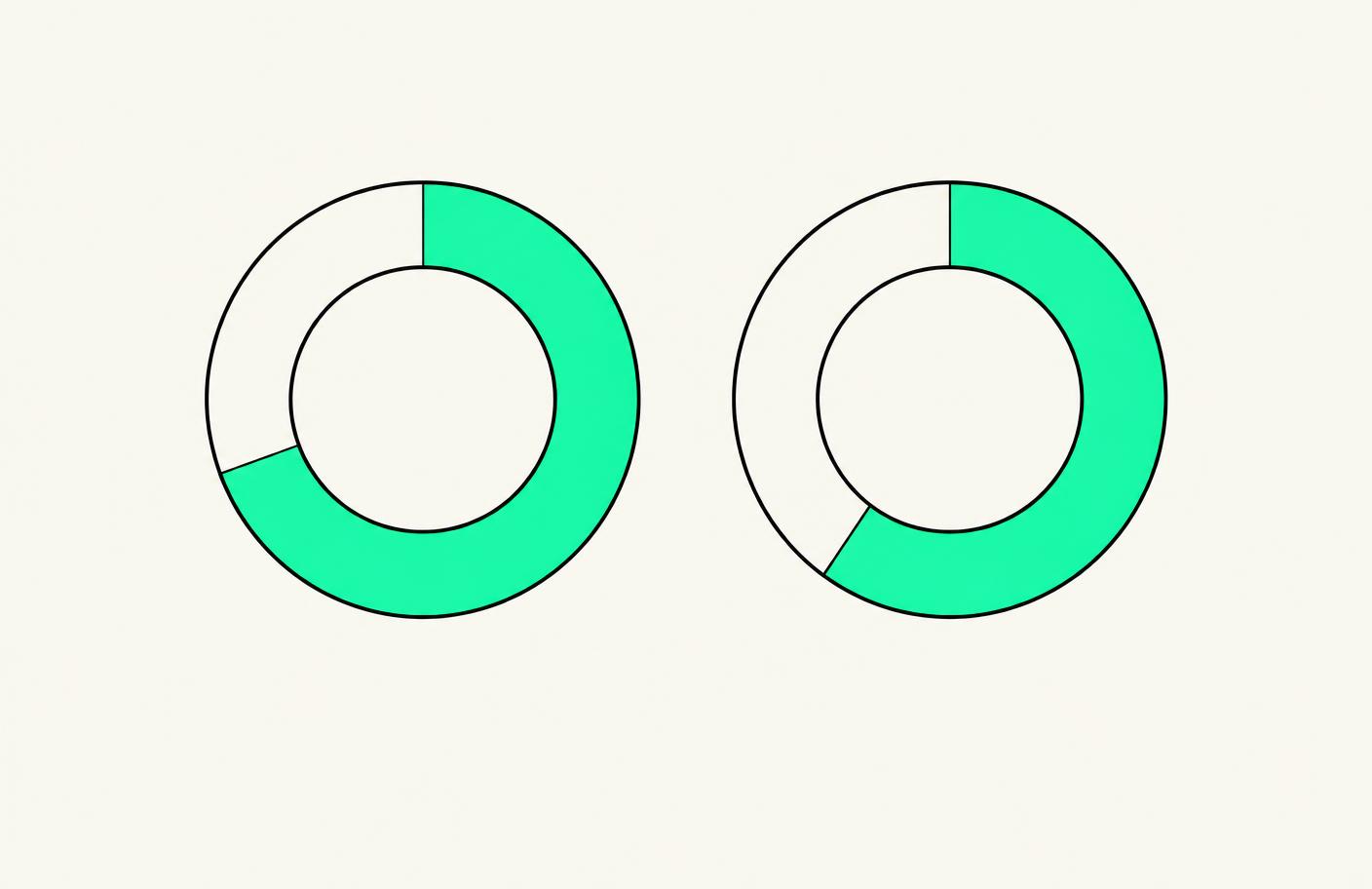
The gap between an 80 and a 90 is ten checklist items, not a difference in character.
What twenty ticks usually look like
The checklist is loosely ordered from mild to serious, so twenty confirmations tend to come from the opening two thirds. A typical pattern is a few years of ordinary social life: dates, a relationship or two, kissing, drinking at parties, being drunk, a missed deadline, a lie to someone in authority, a bit of harmless mischief, and a small number of the early sexual experience questions.
Which twenty you ticked is invisible in the total. Two people can both score 80 from completely different answers, and the scale gives every item the same single point whether it is a first kiss or something far more consequential. That flat weighting is the main reason the number should be read loosely.
Why 80 shows up most around the middle of college
Scores only move downward over a lifetime, because each question asks whether something has ever happened. That makes an 80 a common result for someone a year or two into university rather than someone in their first week. The test spread at Rice University as an orientation novelty and is still mostly passed around in groups, so the number usually arrives with a comparison attached. An 80 in that setting normally means you are in step with the people around you.
What an 80 does not mean
The score measures nothing about character, maturity, health or worth. It has no clinical validity, it was never built as a psychological instrument, and no research calibrates it against any outcome. A higher number is not an achievement and a lower one is not a failing. The list also ignores enormous parts of ordinary adult life, including work, family, illness and everything else that shapes a person, so treating the total as a summary of who you are gets the tool badly wrong.
Reading your own 80 sensibly
Take it as one snapshot on one day. If you want a more honest read, look at which parts of the list you ticked rather than the total, because twenty social items and twenty items from further down the list mean very different things while producing the same score. Retake it in a year if you are curious about the drift. If group comparison starts to feel like pressure, stop comparing. You can take the test here with no account, and nothing is stored unless you choose to save your result.
Frequently asked questions
Is 80 a good rice purity score?
It is a high score, above the site average of 64.9 and the median of 70. Whether high is good is a judgement the checklist cannot make for you.
How many yes answers give a score of 80?
Twenty. Each confirmed item subtracts exactly one point from the starting total of 100.
Is 80 normal for a college student?
Yes. Scores in the seventies and eighties are common among students a year or two in, and together those two bands account for twenty three of our 83 recorded results.
Can my score go back up?
No. The questions ask about lifetime experience, so a later retake can only match or fall below an earlier one unless you answered inaccurately the first time.
Are my individual answers saved?
No. Answers are not stored against your identity and the test works without signing in. Our privacy policy sets out exactly what is kept.