What Does a Rice Purity Score of 90 Mean?
A rice purity score of 90 means ten of the hundred checklist items were answered yes. Here is what that covers and how it compares with recorded scores.
A rice purity score of 90 means you answered yes to roughly ten of the hundred items on the checklist. The test starts everyone at 100 and subtracts one point for each experience you confirm, so a 90 is the result of ten honest ticks and ninety blanks. It is a high score by any reading of the list, and it usually belongs to someone who has done a small amount of ordinary social experimenting and very little of the riskier material further down the questionnaire.
This page explains what a 90 covers, how it compares with the scores people actually record on this site, and where the number stops being useful.
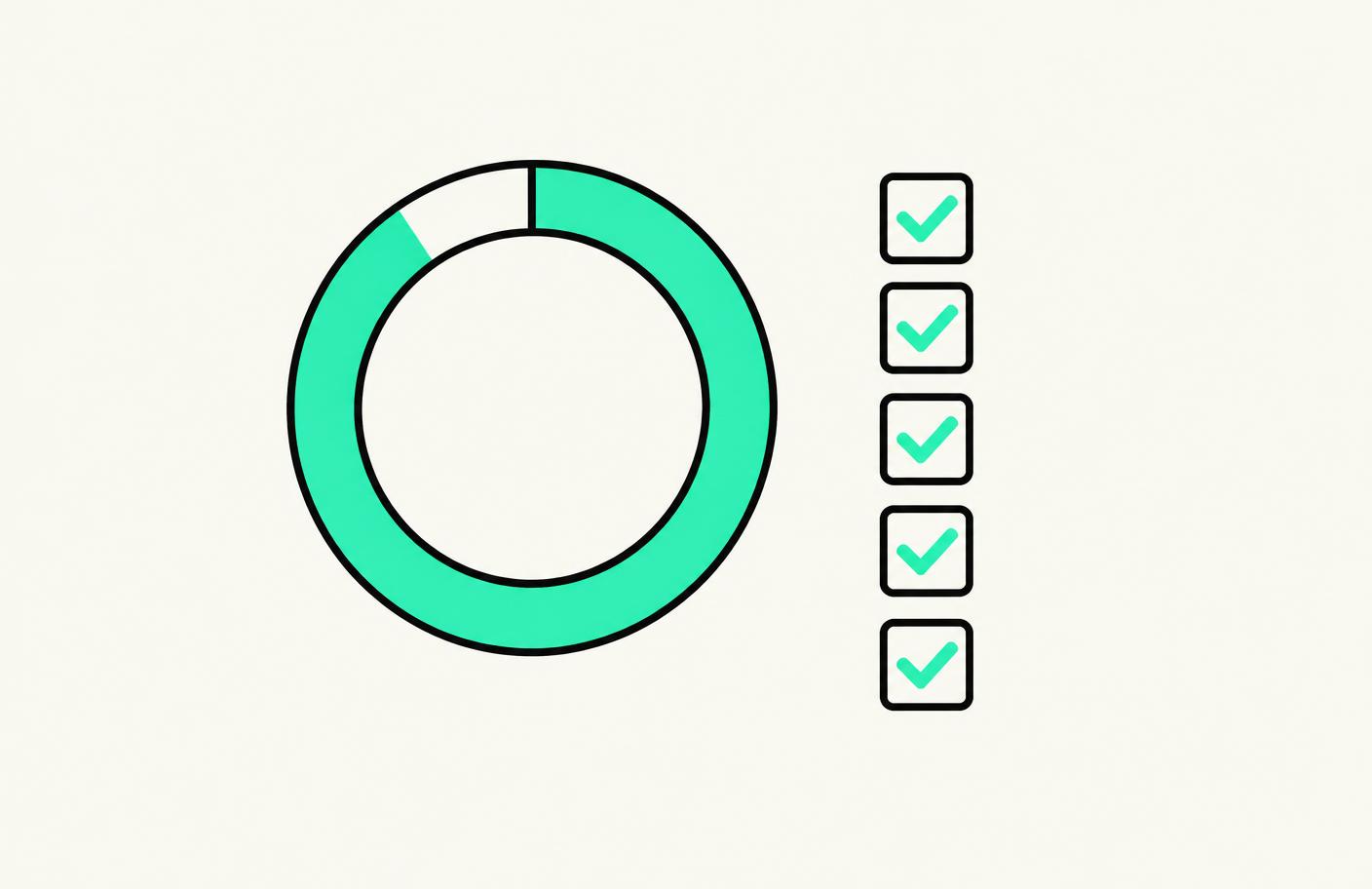
A score of 90 means ninety of the hundred checklist items were left unticked.
The short answer
Ninety points out of a hundred puts you in the highest band of the scale. The ten items you did tick are almost always drawn from the opening third of the list, which covers things like holding hands, kissing, going on a date, missing a class, telling a lie to a parent, or drinking alcohol once. Those questions exist to give nearly everybody a starting point. The questions that cost most people large chunks of their score sit much lower on the list and cover sexual experience, drug use, arrests and situations involving real risk. A 90 says you have not reached those.
How a 90 compares with real scores
We keep a running record of every completed test on this site, stored without names attached. Across 83 completed tests the average score is 64.9 and the median is 70. The lowest recorded result is 10 and the highest is 100. Nineteen of those results landed in the 90 to 100 band, which makes it the single largest band in the data. Ten results sat between 80 and 89, thirteen between 70 and 79, ten between 60 and 69, fourteen between 40 and 59, and seventeen below 40.
Two things follow from that. First, a 90 is well above the average and the median, so it is a high score in the plain sense. Second, it is not rare. The top band being the fullest one is common with this kind of checklist, because people who feel comfortable about their answers are the ones most likely to finish the test and record a result. Read your 90 as high, not as unusual.
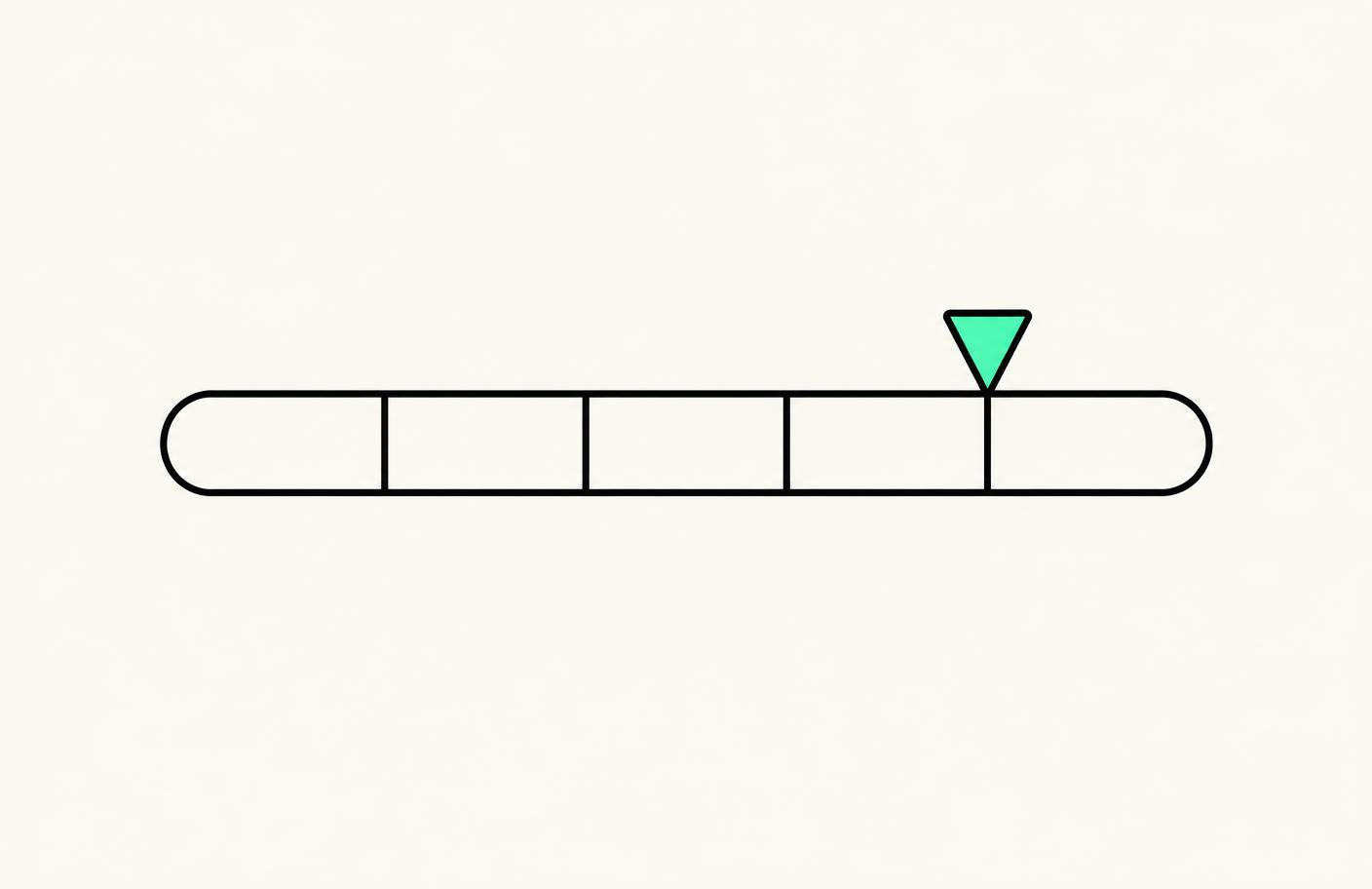
A 90 sits in the top band, above the site median of 70.
What ten ticks usually look like
The checklist is roughly ordered, moving from mild social behaviour to serious risk. Somebody scoring 90 has typically confirmed a handful of the following: a first kiss, a date, dancing with someone, holding hands, sending a flirty message, drinking alcohol, being drunk once, skipping a class, lying to a parent or teacher, and a minor bit of mischief such as being out past curfew. Those ten answers cost ten points and leave the rest of the list untouched.
The exact ten matter less than the pattern. Two people can both score 90 with completely different ticks, and the score gives no clue about which ones they were. That is deliberate. The number is a total, not a profile.
Why 90 is common with younger test takers
Scores tend to drift downward with age simply because the list asks about lifetime experience. A first year student has had fewer years in which to tick anything, so a high score is the expected outcome rather than a notable one. The test circulated at Rice University as an orientation week novelty, and comparing numbers in a group of new students is still the most common way people meet it. In that setting a 90 usually means you are early in the list rather than deliberately abstaining.
What a 90 does not mean
The score is not a measure of moral standing, maturity, attractiveness or worth. It has no clinical validity, it was never designed as a psychological instrument, and nobody has calibrated it against any outcome. A high number does not mean you are behind, and a low number does not mean anyone is ahead. The checklist also skips large parts of ordinary adult life, so two people with very different histories can land on the same total.
It is also worth saying plainly that the list treats very different experiences as identical single points. One point for a first kiss and one point for something serious is not a sensible weighting, and it means the total should never be treated as a summary of who you are.
Reading your own 90 sensibly
Use the number as a snapshot and nothing more. If you want a fuller picture, look at which sections of the list you ticked rather than the total, because a 90 built from ten social items reads very differently from a 90 built from a few items near the bottom. If the result bothers you, retake it later and compare. If comparing with friends starts to feel like pressure rather than a joke, stop comparing. You can take the test here without an account, and nothing is saved unless you choose to save it.
Frequently asked questions
Is 90 a good rice purity score?
It is a high score, and higher than both the average of 64.9 and the median of 70 recorded on this site. Whether high is good is a judgement the test cannot make for you.
How many questions do you answer yes to for a 90?
Ten. Every confirmed item removes exactly one point from the starting total of 100.
Is a score of 90 normal for a college student?
Yes. High scores are common among first and second year students, and the 90 to 100 band is the largest band in our recorded results.
Will my score drop over time?
It can, because the questions ask about lifetime experience and can only ever be added to. A score cannot rise on a later retake unless you answered differently the first time.
Does anyone see my answers?
No. Individual answers are not stored against your name, and the test can be taken without signing in. See our privacy policy for the detail.