Is the Rice Purity Test Accurate?
Is the Rice Purity Test accurate? Here is why it is a checklist, not a validated instrument, and how to read your score without overthinking it.
People ask is the Rice Purity Test accurate right after they see their score, usually because the number feels either too high or too low compared to how they see themselves. The honest answer is that accuracy is the wrong lens for this test. It was never built as a measurement instrument. It is a checklist of experiences, and understanding what that means will help you read your result without overthinking it.
What accuracy would even mean here
Accuracy usually implies a test is measuring something against a known standard, the way a thermometer measures temperature against a calibrated scale. The Rice Purity Test does not work that way. It counts how many items on a 100 item list apply to you. Your score is 100 minus that count, and every item counts equally toward the total.
So the test is "accurate" in one narrow sense: it will always correctly tally the boxes you checked. What it cannot do is tell you whether the list itself represents anything universal about maturity, character, or life experience. It is a count, not a diagnosis.
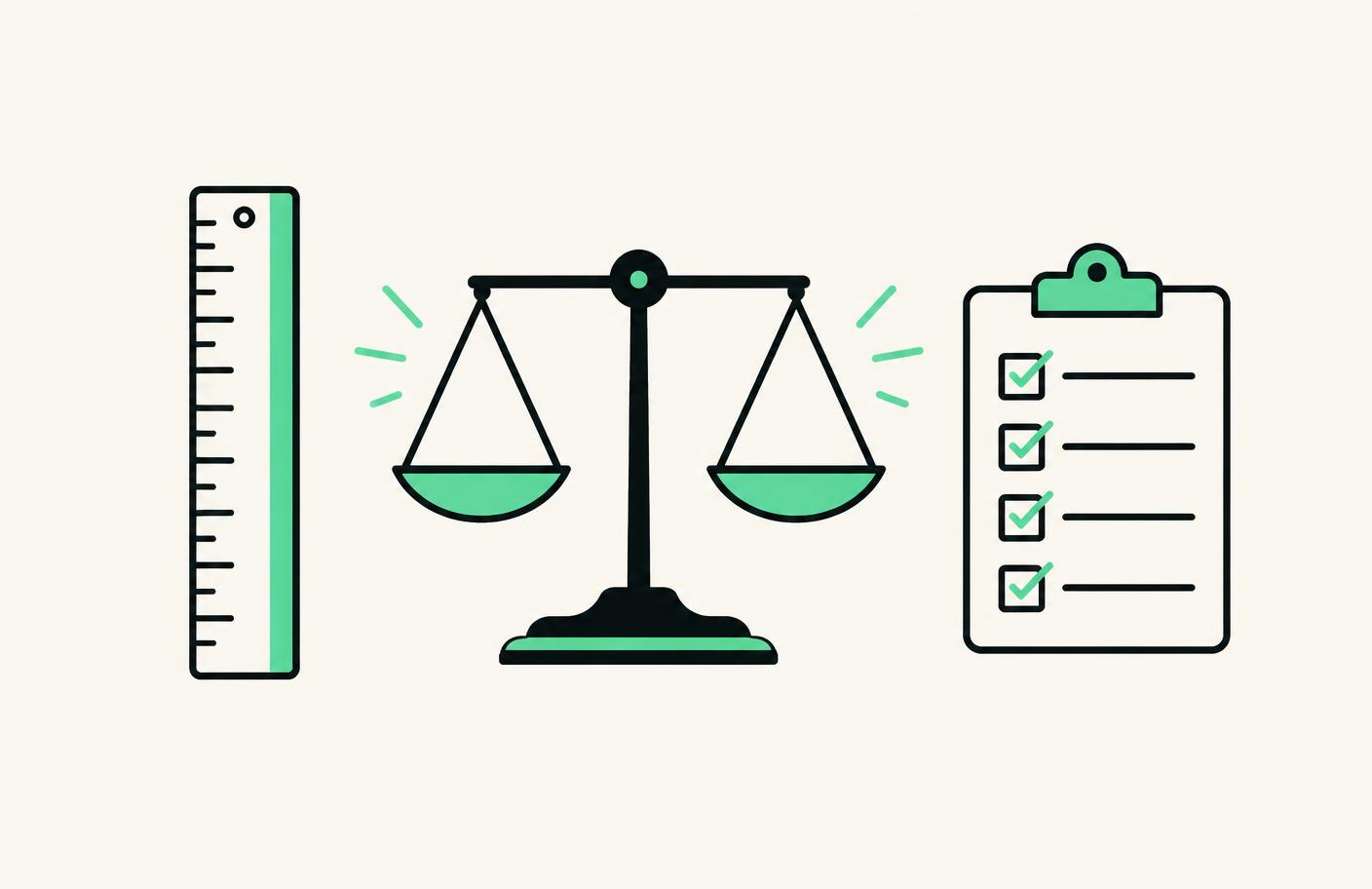
The test tallies checked items rather than measuring a validated psychological trait.
Why it is not a validated psychological instrument
A validated psychological instrument goes through a specific process: researchers test whether questions reliably measure the trait they claim to measure, check that results are consistent when repeated, and compare results against outside criteria. The Rice Purity Test has none of that behind it. It started as informal student culture at Rice University in Houston and spread because it was a fun, personal way for students to compare notes, not because anyone designed it as a research tool.
That does not make it worthless. It just means the number should be treated the way you would treat a casual quiz result, not a lab result. You can read more about its origins in history of the Rice Purity Test.
Self report bias
Every item on the list depends on you remembering accurately and answering honestly, with no one checking your work. That introduces a few predictable distortions:
People forget minor incidents from years ago and simply do not check the box.
People round their own experience up or down depending on their mood that day.
Some people answer generously to seem more experienced to friends; others answer conservatively for the opposite reason.
Group settings, like taking the test with friends watching, can push answers in either direction.
None of this is unique to the Rice Purity Test. Any self report checklist has the same issue, which is well documented in general research on self report survey methods. It is just worth remembering here specifically because the test is often taken quickly, in a social setting, for fun.
Wording ambiguity
Some items on the checklist are phrased in ways that different people interpret differently. A line about a certain activity might feel like a clear yes to one person and a technical maybe to another, depending on how strictly they read the wording. That ambiguity means two people with genuinely similar life experiences can land on slightly different scores just based on how literally they interpret a line item.
This is another reason to treat your score as an estimate rather than a precise figure. A few points of difference between you and a friend often comes down to interpretation, not a real gap in experience.
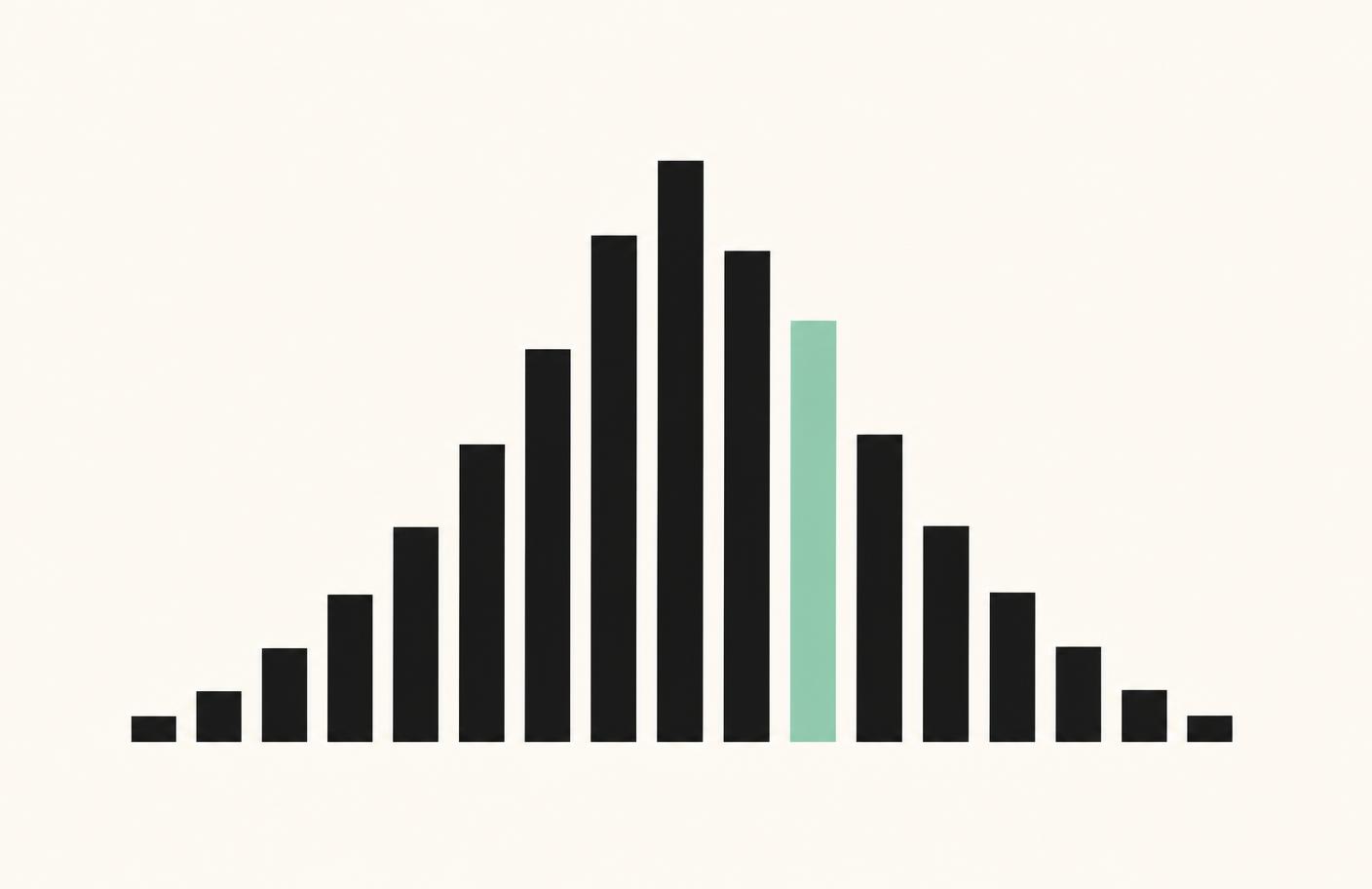
Scores across takers of this test spread widely rather than clustering around one typical number.
What the number is genuinely good at
Despite all of that, the score has real, limited uses:
It gives you and a friend a quick, shared reference point for comparing general life experience.
It works as a light conversation starter, since specific line items often prompt stories.
Tracked over time for the same person, a falling score can reflect genuine new experiences, since the list only grows the count, it never subtracts.
Context helps too. Across the anonymous results recorded on this site, the average score is 64.9 and the median is 70, with 83 completed tests ranging from 10 to 100. The breakdown by band is 19 tests from 90 to 100, 10 from 80 to 89, 13 from 70 to 79, 10 from 60 to 69, 14 from 40 to 59, and 17 below 40. That spread shows there is no single "normal" score. See average Rice Purity score for more on how scores are distributed.
If your score surprises you, the most useful next step is usually to reread the items you checked, not to question your identity. The number is a summary of specific checkboxes, and it means exactly that and nothing more.
Frequently asked questions
Is the Rice Purity Test scientifically validated?
No. It is a checklist that started as informal student culture, not a researched psychological instrument.
Why did my score change when I retook the test?
Scores can shift slightly with mood, interpretation of wording, or memory on a given day, and they can rise permanently as you check more boxes over time.
Is a lower score more accurate than a higher one?
Neither is more accurate. The score reflects checked items, not a judgment of correctness.
Can two people with similar experiences get different scores?
Yes, often because of how they interpret ambiguous wording on specific items.
Should I compare my score to the site average?
You can for context, but the average is just a summary of other takers, not a target to hit.