What Does a Rice Purity Score of 40 Mean?
A rice purity score of 40 means 60 of the 100 checklist items were marked. Here is how it compares to the recorded average and what typically drives it.
Landing on 40 after finishing the checklist often prompts a rice purity score 40 meaning search. The arithmetic is straightforward: 60 of the 100 items have been checked, leaving 40 points remaining out of the possible 100.
Breaking down the number
The rice purity test works on simple subtraction. Every checked item removes one point from a starting total of 100, with no weighting for how common or uncommon that item is. A 40 reflects 60 checked items, which is more than half the list. For the full breakdown of how scoring works, see the rice purity score explained.
Sections that usually drive a score this low
Scores around 40 rarely come from one section alone. They tend to build up across several categories at once:
Nearly all of the early social and minor rule-breaking items
Most of the dating and relationship section
A good portion of the alcohol and party section, often extending into broader substance items
Multiple items from the sections dealing with intimacy and more explicit experiences
Reaching 40 usually means broad coverage across the whole list rather than a concentrated cluster in one area.
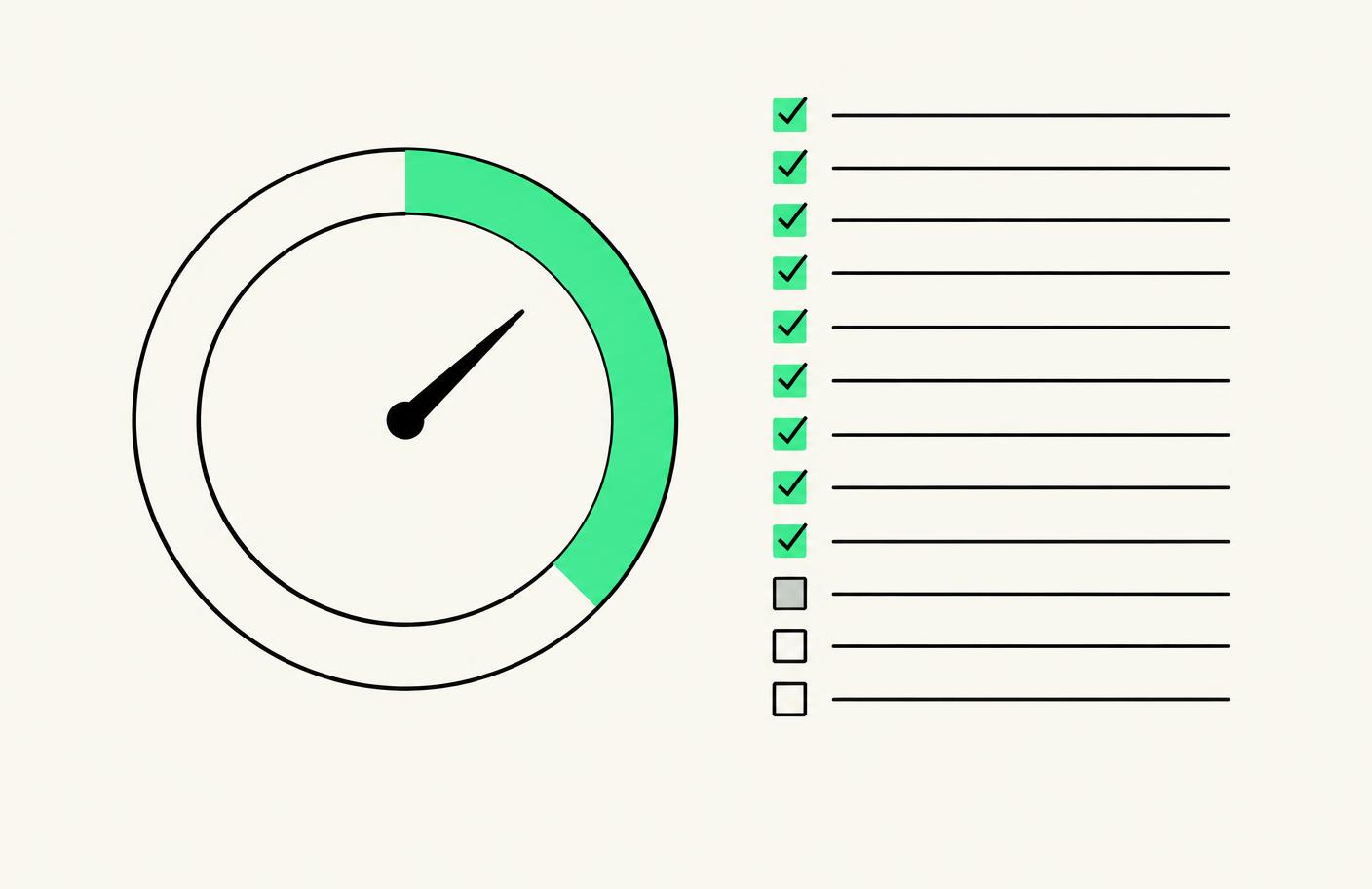
A score of 40 means 60 items were checked, well over half the 100-item list.
Where 40 falls against the recorded numbers
Across the 83 completed tests recorded on this site, the average is 64.9 and the median is 70. A score of 40 sits about 25 points under the average and 30 under the median, a wider gap than higher scores show.
The 40 to 59 band and the below-40 band together account for 31 of the 83 tests recorded, nearly two out of every five. A 40 sits right at the edge of these two bands, which are the two most populated after the top band. See the average rice purity score for more on how the full range breaks down.
The step from 40 to its neighbours
A jump to 50 usually means several substance or intimacy items were not checked, often because the underlying experiences had not happened at the time of the test. See what a 50 means. A drop below 40 usually means those same sections are checked more completely, with fewer categories left untouched. Ten points at this end of the scale often represents a wider set of experiences than the same ten-point gap does near the top of the scale, since scores in the 40s tend to cross into sections most people leave mostly unchecked.
Why the number tends to be lower with age and independence
Scores in the 40s are more common later in college and beyond than in the first year or two after high school. More years of independent living, more relationships, and more social exposure all add checked items over time. A person who has lived on their own for several years, worked, traveled, and dated more than a few people will naturally have a lower score than someone earlier in that process. This is a timeline effect, not a judgment.
Lower scores tend to appear more often among people with more years of independent living behind them.
What a 40 does not mean
A 40 is not a measure of character, judgment, or worth. It is a tally of specific checklist items, many of which are common experiences shared by a large share of people who have taken the test. The list started as informal student culture at Rice University and was never meant to rank people against each other in a meaningful way. For more on its limits as a measurement tool, read is the rice purity test accurate.
Frequently asked questions
Is a 40 a low score?
It is below the recorded average of 64.9 and median of 70 on this site, but 31 of the 83 recorded tests fall at 40 or below, so it is far from unusual.
Does a 40 mean I checked 40 items?
No. A score of 40 means 60 items were checked. The score is what remains after subtracting checked items from 100.
Why is my score dropping each time I retake the test?
New experiences add checked items over time, so scores commonly decrease with age unless a person's circumstances stay very stable.
Should I be concerned about a score around 40?
No. The checklist counts experiences, not values, and a lower number carries no built-in judgment.
Is my result private?
Yes. Scoring happens in your browser and is not tied to your identity unless you sign in to save your history.