What Does a Rice Purity Score of 60 Mean?
A rice purity score of 60 means 40 checklist items were marked. Here is how it compares with the site average of 64.9 and what typically drives it.
If you just finished the checklist and landed on a rice purity score 60 meaning question, the short answer is that you have checked 40 of the 100 items. That is not a rare result. On this site, the anonymous results recorded show an average of 64.9 and a median of 70, so a 60 sits close to typical, just a bit under the middle of the pack.
What the number actually means
The rice purity test starts everyone at 100 and subtracts one point for each item checked. A score of 60 means 40 boxes were marked. There is no weighting, no bonus points, and no penalty beyond the simple subtraction. See how the score works for the full mechanics.
A 60 places you in the 60 to 69 band, which held 10 of the 83 completed tests recorded here. That is a smaller group than the top band, but it is far from an outlier.
Where the missing points usually come from
People who land near 60 typically have checked items across a few different sections rather than clearing one whole category. Common patterns include:
Most or all of the early social and mild-behavior questions, like staying out late, mild deception, or minor rule-breaking
A moderate number of dating and relationship items, including things like kissing or being in a relationship past a certain length
A handful of items from the substance section, often limited to alcohol rather than a broader range
Very few or no items from the later, more explicit sections of the list
That spread is normal. The test does not require sections to be completed in order, so two people with a 60 can have checked almost entirely different boxes.
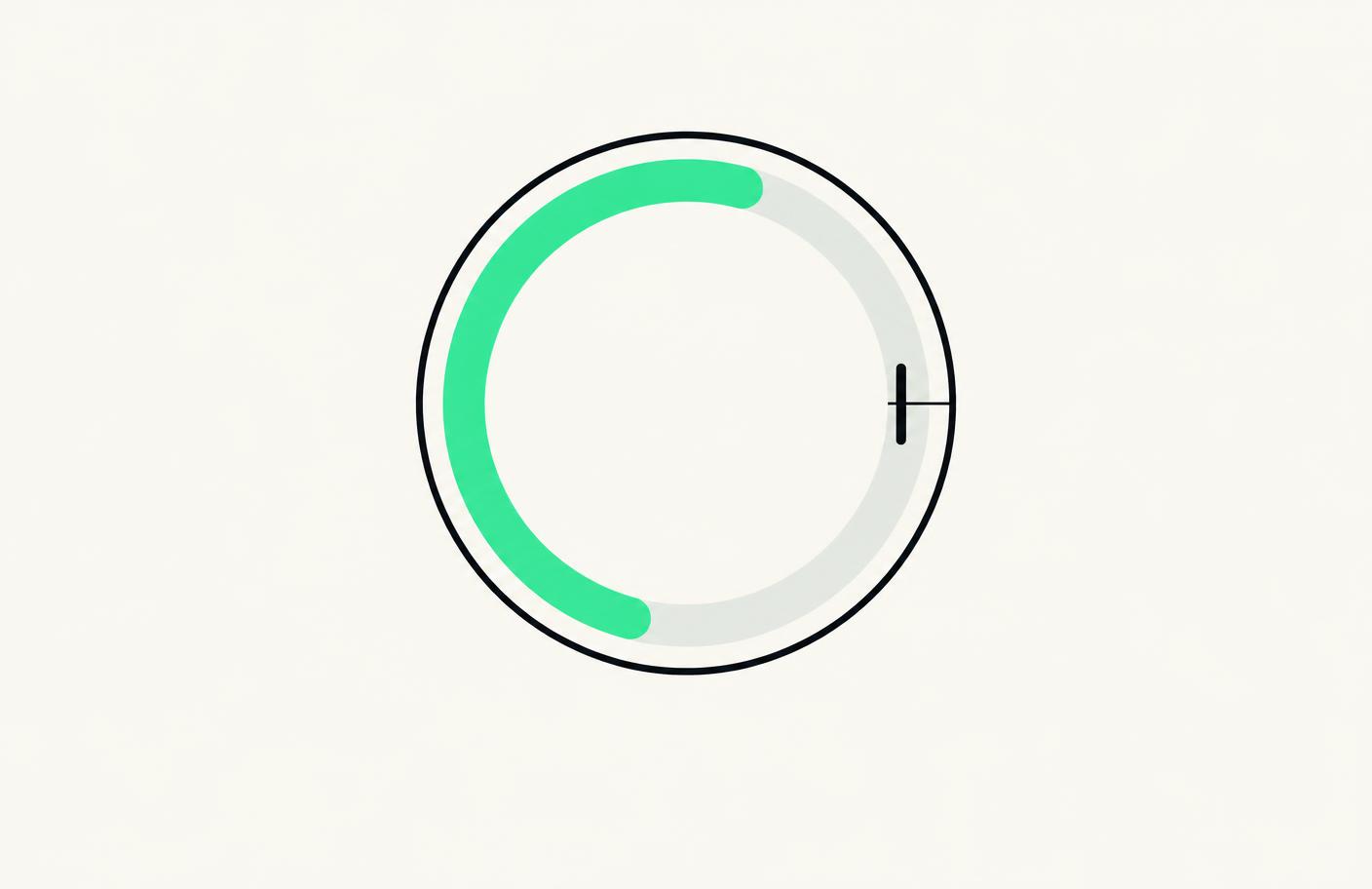
A score of 60 corresponds to 40 checked items out of the 100-item list.
How 60 compares with the recorded average and bands
With a recorded average of 64.9, a 60 sits about five points under the mean and ten points under the median of 70. That gap is small compared with the full range recorded on this site, which runs from a low of 10 to a high of 100. For more on what "typical" looks like, read the average rice purity score.
How it differs from neighbouring scores
A score of 70 usually means fewer relationship or dating items were checked, or that alcohol-related items were skipped entirely. Compare with what a 70 means. A score of 50, on the other hand, generally means one or two more sections have been at least partly checked, often extending into items involving substances beyond alcohol or a longer relationship history. See what a 50 means. The ten-point gaps between neighbouring scores rarely represent one dramatic difference; they usually reflect several small ones.
Why age and circumstances move the number down
Time is the biggest driver of a lower score. A high school freshman and a college senior are answering the same 100 questions, but the senior has had years more opportunity to encounter dating, parties, travel, and independence. College life in particular, with shared housing, later curfews, and more unsupervised time, tends to push scores down compared with earlier years. That is a function of exposure and circumstance, not of any single choice.
Comparing scores with friends often shows wide variation even within the same age group.
A lower score is not a verdict on character
A 60 does not describe someone as more or less responsible, kind, or trustworthy than a 90. The checklist counts specific experiences, many of which are common and unremarkable. It was never designed as a moral scale, just a tally sheet. Read more in is the rice purity test accurate.
Frequently asked questions
Is 60 a good score?
There is no good or bad score. A 60 is close to the recorded average of 64.9 on this site, which makes it a common result rather than a notable one.
Does 60 mean I have done half the list?
No. A 60 means 40 items were checked, which is 40 percent of the list, not half.
Why is my score lower than my friend's even though we are the same age?
Individual experiences vary widely even within the same age group, since the checklist covers dozens of unrelated categories.
Can my score change over time?
Yes. Taking the test again later in life will usually produce a lower number as more items get checked.
Is my score saved anywhere?
Scoring happens in your browser and is not tied to your name unless you sign in to save your history.